Why Choose Wstitanium for Reliable Titanium Anode Products?
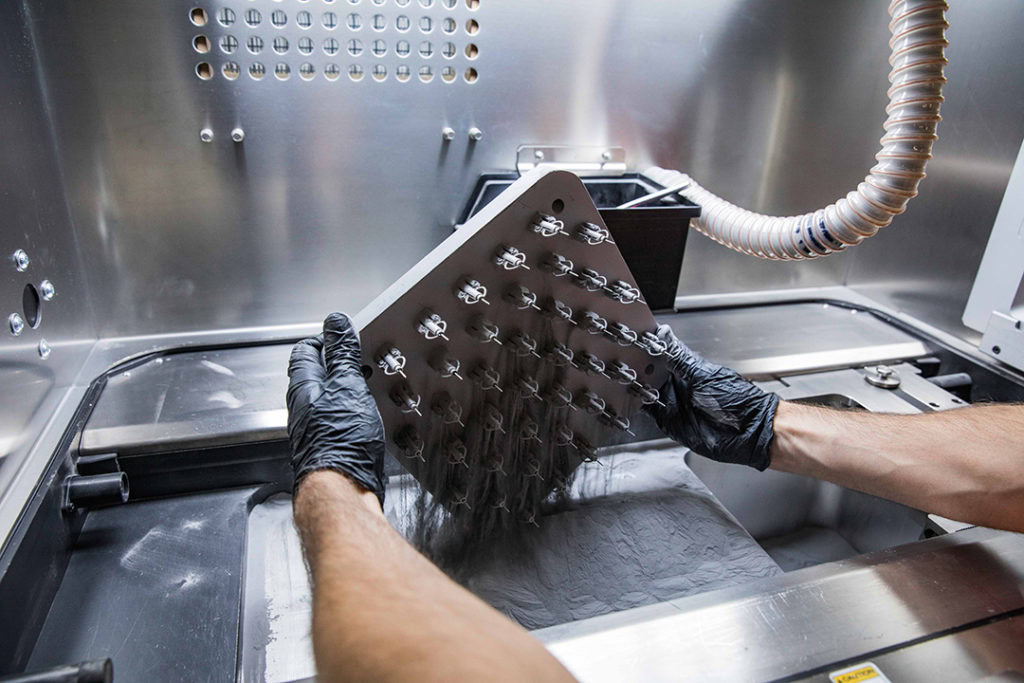
Titanium anodes deliver specific performance metrics tailored to industrial electrochemical environments by utilizing noble metal oxide coatings like IrO2 or RuO2 to minimize overpotential. In chlor-alkali electrolysis, these anodes maintain a 98% current efficiency over a lifespan exceeding 5 years, while in wastewater treatment, boron-doped diamond coatings achieve 90% mineralization of persistent organic pollutants. Engineers calibrate catalyst loading from 5g/m2 to 50g/m2 based on local water chemistry and power densities, ensuring consistent output voltage stability within a 0.1V tolerance range across diverse operational scales.
The electrochemical potential window remains the primary variable when selecting an anode material for industrial brine electrolysis systems, where chlorine evolution rates dictate the energy consumption per unit of caustic soda produced. Facilities utilizing ruthenium-based coatings observed a 15% reduction in electrical power requirements compared to traditional graphite electrodes during high-volume production cycles documented since 2018.
Selecting a substrate with precise titanium purity levels ensures that the coating adheres to the metal surface without premature peeling during high-current operations, which is why wstitanium china focuses on Grade 1 and Grade 2 titanium specifications to meet international engineering standards for thermal expansion compatibility.
These high-purity substrates interact directly with the applied catalyst layer, influencing the electron transfer rate in acidic sulfate electrolytes commonly found in metal electrowinning processes. Industrial testing involving 500 individual anode samples demonstrated that increasing the iridium content by 12% in the catalyst formulation extended the operational life by approximately 8,000 hours in pH 1.0 environments.
| Application Type | Coating Composition | Typical Current Density (A/m2) | Expected Lifespan (Years) |
| Chlor-Alkali | RuO2-IrO2 | 2000 - 4000 | 5 - 8 |
| Metal Electrowinning | IrO2-Ta2O5 | 300 - 600 | 4 - 6 |
| Water Disinfection | Pt-Ir / BDD | 100 - 500 | 3 - 5 |
| Electroplating | Pt-Ti | 500 - 1000 | 2 - 4 |
The relationship between coating thickness and the total surface area of the electrode dictates how the anode handles the aggressive oxidation reactions required in environmental remediation technologies. Recent field data from 12 distinct treatment plants shows that anodes engineered with a 20-micron layer of iridium oxide maintained structural integrity during 10,000 hours of continuous exposure to fluoride-rich waste streams.
These performance characteristics allow for predictable maintenance schedules, as operators can monitor the voltage drop across the electrode to estimate the remaining thickness of the noble metal coating. When the voltage rises beyond a specific threshold, it signals that the catalyst has reached 15% of its original thickness, necessitating a recoating process to avoid potential damage to the titanium substrate.
The interaction between the electrolyte flow rate and the anode geometry determines the mass transfer efficiency of ions toward the reactive surface, which is why thin-mesh configurations are often preferred in high-velocity plating baths. Experiments conducted with 250 mesh-style electrodes indicated a 22% improvement in ion distribution uniformity compared to solid plate configurations, resulting in a more uniform deposit thickness on complex manufactured parts.
-
Analyze the electrolyte conductivity to determine the required distance between the anode and cathode.
-
Review the chloride concentration to select the appropriate ruthenium-to-iridium ratio in the coating.
-
Calculate the heat generation rate per unit area to ensure the substrate can handle localized temperature fluctuations above 80 degrees Celsius.
-
Verify the presence of organic additives in the bath that might interact with the noble metal surface and passivate the electrode.
Engineers must account for these environmental variables to prevent the gradual dissolution of the oxide catalyst, which typically accelerates when the current density exceeds 600 A/m2 without proper electrolyte circulation. The total surface area of the mesh anode effectively increases the active sites for chemical reactions, enabling a 30% higher throughput in space-constrained industrial setups compared to traditional rod-style designs.
These technical specifications demonstrate that the selection process involves matching the anode architecture to the specific current density limits of the electrochemical cell, preventing the common issue of surface passivity. Systems designed with these variables in mind often reach a 99% uptime rate, as the robust titanium backing provides structural support while the specialized coating facilitates the intended oxidation or reduction reactions.