How Do Leakproof Period Panties Keep You Dry?
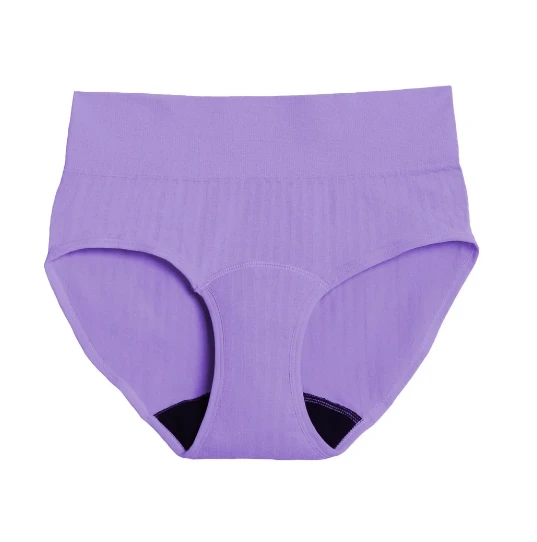
Leakproof period panties keep you dry by using a multi-layer gusset system that combines moisture-wicking, absorbent, and leak-resistant materials. Most designs use 3–4 functional layers: a top layer that moves fluid away from skin, an absorbent core that stores menstrual fluid, and a waterproof barrier that blocks transfer to clothing. Some products can hold several teaspoons of fluid, depending on construction and size. Studies and product testing reports show that performance depends on fabric type, layer thickness, gusset coverage, and fit rather than absorbency alone.
When menstrual fluid reaches the fabric, the first layer begins controlling how quickly moisture spreads. A well-designed textile does not leave all liquid sitting on the surface because prolonged contact increases the feeling of dampness. Many manufacturers use polyester-based microfiber, cotton blends, viscose, or other absorbent fibers arranged to move liquid downward. Research on textile moisture transport shows that fiber structure, pore size, and fabric density influence how quickly liquid travels through a material. Products with better wicking designs can reduce surface wetness because fluid is distributed across a wider area instead of staying in one concentrated spot.
“The first few seconds after fluid contact determine how comfortable the garment feels because moisture movement affects skin contact.”
The absorbent layer underneath stores menstrual fluid through thousands of small fiber spaces. A gusset may contain microfiber polyester, cotton, bamboo-derived fibers, or other textile blends. Some designs use multiple absorbent sections to increase storage capacity, with thicker areas placed toward the front or back depending on intended use. A product designed for overnight wear often extends the absorbent area farther because sleeping positions can change the direction of fluid movement by several centimeters.
A comparison of common material functions shows why different layers are used:
| Layer | Main material examples | Main purpose |
|---|---|---|
| Surface layer | Polyester, nylon, blended fabrics | Moves moisture away from skin |
| Absorbent layer | Microfiber, cotton, viscose | Holds menstrual fluid |
| Barrier layer | Laminated waterproof membrane | Reduces leakage through fabric |
| Outer fabric | Cotton, modal, synthetic blends | Provides comfort and durability |
The absorbent core does not work only because it holds liquid. It also spreads fluid through the textile structure. If 5 milliliters of fluid enters a small area, that section reaches saturation faster than if the same amount spreads across a larger absorbent surface. This distribution process allows many period panties to manage moderate flow more comfortably because the entire gusset contributes to storage.
The final protection comes from the barrier layer. This section is usually a thin waterproof or water-resistant membrane placed below the absorbent materials. It prevents absorbed fluid from reaching jeans, pajamas, or bedding. Medical and product education sources describe period underwear as using moisture barriers together with absorbent layers to reduce leakage.
“Leak resistance comes from the cooperation of several layers, not from one waterproof fabric.”
The barrier layer must balance protection and comfort. A completely sealed material could block liquid effectively but may reduce airflow and increase warmth. Modern designs usually aim for a thinner membrane that blocks liquid while allowing some moisture vapor movement. The result depends on fabric engineering, garment thickness, and body temperature.
Fit also affects whether period panties remain leak-resistant. Even a high-capacity garment can perform poorly if the absorbent area shifts away from the body. A well-fitting waistband and leg opening help keep the gusset positioned correctly during walking, exercise, and sleep.
Data from product testing and consumer evaluations show that absorbency levels vary widely. Some reusable period underwear products are designed for light spotting, while others are made for heavier flow and overnight use. Testing reports have measured products capable of holding several teaspoons of fluid, although capacity differs by brand and testing method.
Different designs use different amounts of fabric and absorbent material:
| Design type | Typical use | Construction feature |
|---|---|---|
| Light absorbency | Spotting or lighter days | Thin absorbent section |
| Medium absorbency | Regular daytime use | Balanced multi-layer gusset |
| Heavy absorbency | Stronger flow | Larger absorbent area |
| Overnight style | Sleeping | Extended front and back coverage |
A person’s flow pattern also changes how well the underwear performs. Menstrual fluid is not released at a perfectly constant rate. A sudden increase in flow can temporarily exceed the absorption speed of the fabric, even when the total daily amount remains within the garment’s capacity.
The same principle applies to movement. Sitting for several hours, exercising, or sleeping can place pressure on the absorbent layers. Good textile structures reduce liquid movement back toward the skin, but every garment has a saturation point.
“A period panty can absorb and hold fluid, but it cannot store unlimited moisture.”
The materials used in period panties are designed around repeated washing. Unlike disposable products, reusable underwear must maintain absorbency, elasticity, and fabric structure after dozens of cycles. Washing instructions often recommend avoiding fabric softeners because residues may affect fiber performance.
A 2020 review of reusable menstrual products noted growing interest in washable options because they reduce reliance on single-use products, although product design and material safety continue to receive research attention. Manufacturers commonly recommend cold or warm washing, gentle detergents, and air drying when possible to protect elastic fibers and waterproof layers.
The drying feeling comes from several technical details working together. The surface layer reduces direct moisture contact, the absorbent section captures fluid, and the barrier layer prevents transfer outside the garment. If one part performs poorly, the overall experience changes.
A simplified view of the fluid path looks like this:
| Stage | What happens |
|---|---|
| 1 | Menstrual fluid reaches the top fabric |
| 2 | Moisture moves through the wicking layer |
| 3 | Absorbent fibers spread and hold liquid |
| 4 | Barrier layer reduces external leakage |
| 5 | Outer fabric remains cleaner and drier |
Care habits also influence long-term performance. A pair washed incorrectly may lose elasticity or develop reduced absorbency over time. Many reusable textile products are designed to last hundreds of washes when maintained properly, but lifespan varies based on fabric quality, detergent choice, drying temperature, and frequency of use.
Period panties keep users dry through textile engineering rather than simple thickness. A thin-looking garment can perform well when its layers are arranged correctly, while a thicker garment may perform poorly if moisture movement and retention are not balanced. The combination of wicking speed, absorbent capacity, barrier protection, gusset size, and fit determines how effectively the underwear manages menstrual fluid during daily activities.